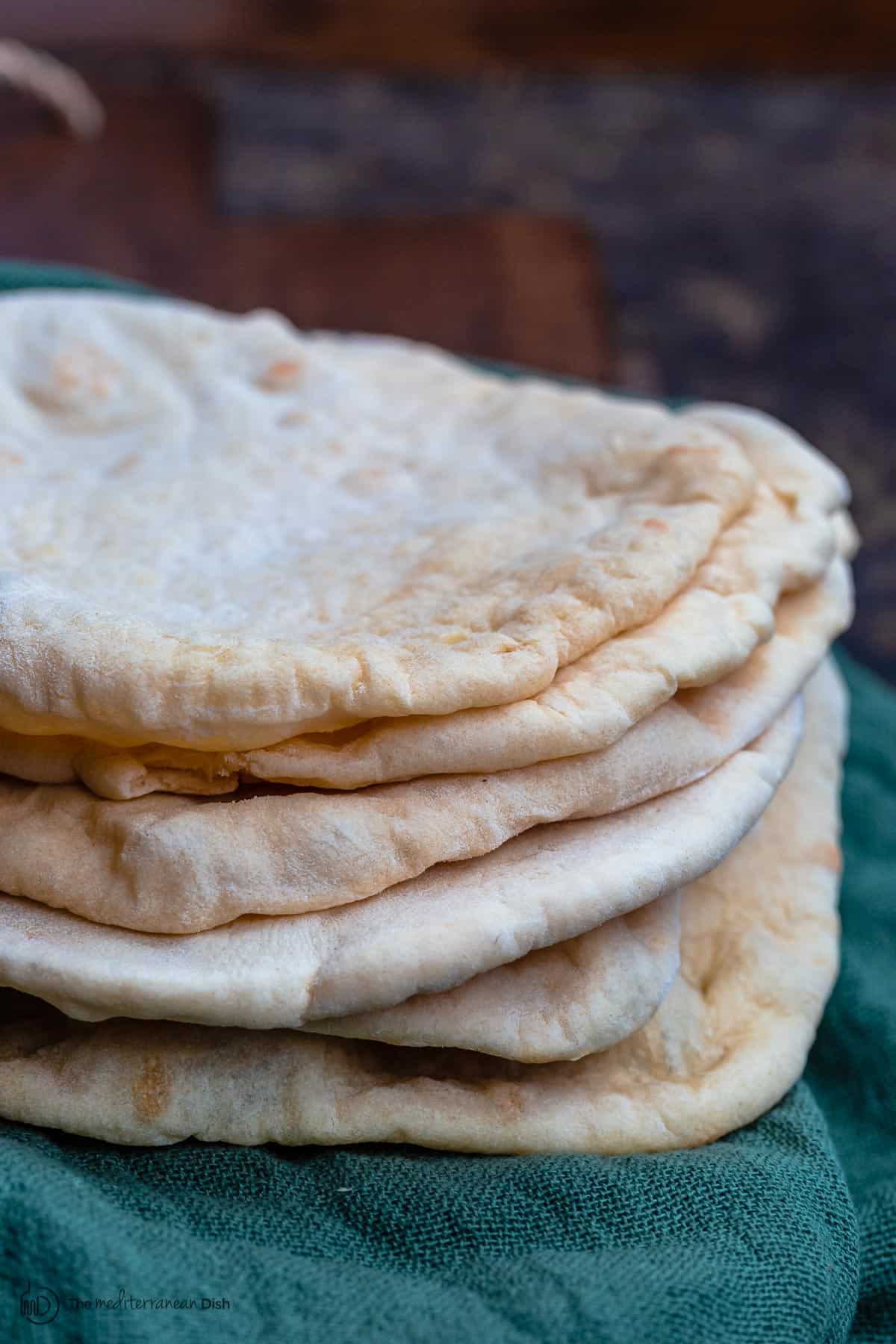
Imagine biting into a warm, pillowy soft piece of pita bread, fresh from your own kitchen. It's fragrant, impossibly tender, and boasts that perfect chewiness that store-bought versions can only dream of. What if we told you that achieving this culinary magic at home is not just possible, but surprisingly simple? Get ready to discover the ultimate easy homemade pita bread recipe that will transform your meals and make you wonder why you ever settled for less.
For years, many of us have relied on pre-packaged pita, often dry, stiff, and lacking the vibrant flavor that defines truly great bread. But thanks to a straightforward approach, you can create soft, fluffy pita bread that not only tastes incredible but also comes without the need for any fancy equipment or advanced baking skills. This isn't just a recipe; it's an invitation to elevate your weeknight dinners, impress your guests, and experience the pure joy of baking something truly special from scratch. Forget endless kneading and complicated steps – your search for the perfect, effortless pita recipe ends here.
Why Homemade Pita Bread Is a Game-Changer
There's a reason why homemade bread, in general, tastes so much better than anything you can buy in a grocery store. Freshness is paramount, and pita bread is no exception. When you make pita at home, you control every ingredient, ensuring a pure, unadulterated flavor that store-bought options simply can't match. You avoid preservatives, artificial flavors, and often excessive salt or sugar found in commercial products.
Beyond the superior taste, there's the incredible texture. Our easy homemade pita bread recipe yields bread that is wonderfully pliable, perfect for scooping up hummus, wrapping around falafel, or stuffing with your favorite sandwich fillings. Whether you're aiming for a soft, flatbread style or a distinctive pocket for fillings, this recipe offers versatility that will make it a staple in your kitchen. The aroma alone as it cooks is enough to make your mouth water, promising a delightful culinary experience that starts long before the first bite.
Essential Ingredients for Your Easy Homemade Pita Bread Recipe
One of the beauties of this recipe lies in its simplicity, utilizing staple ingredients you likely already have on hand. Don't be fooled by the short list; each component plays a crucial role in creating the perfect pita.
- Flour: While all-purpose flour will certainly work, we highly recommend using bread flour if possible. Its higher protein content contributes to a chewier, more satisfying texture that truly elevates the pita. If you're looking for a healthier twist, a blend of bread flour and whole wheat flour can also yield delicious results, offering a nutty flavor and added fiber.
- Instant Yeast: This is our secret weapon for an easy, no-fuss dough. Instant yeast can be mixed directly with dry ingredients, making the process incredibly straightforward. If you only have active dry yeast, simply activate it first by dissolving it in the warm water with sugar for 5-10 minutes until frothy, then proceed with the recipe.
- Sugar: A small amount of sugar doesn't just add a subtle sweetness to the pita; it's primarily there to "wake up" the yeast. Yeast feeds on sugar, encouraging it to activate and produce the carbon dioxide gas that gives your pita its rise and characteristic texture.
- Salt: Crucial for flavor, salt balances the sweetness and enhances the overall taste of your bread. Don't skip it!
- Warm Water: The temperature of your water is vital. It needs to be warm enough (around 105-115°F or 40-46°C) to activate the yeast without being so hot that it kills it.
- Olive Oil (or Avocado Oil): A touch of oil in the dough contributes to its softness and pliability. We also use a little oil when cooking the pita in a skillet for a beautiful golden crust.
Mastering the Dough: Tips for Fluffy Perfection
Creating perfect pita dough is less about intense labor and more about understanding a few simple principles. This easy homemade pita bread recipe focuses on minimal effort for maximum reward.
Step 1: Activating the Yeast – The Foundation of Fluff
The first step is arguably the most critical: activating your yeast. In a large bowl, combine your warm water, a pinch of sugar, and the instant yeast. Give it a gentle stir and then let it sit undisturbed for about 5-10 minutes. What you're looking for is a bubbly, frothy surface – this is your visual cue that the yeast is alive and ready to work its magic. If you don't see any activity, your water might have been too hot or too cold, or your yeast may be expired. In that case, it's best to start fresh.
Step 2: Mixing, Resting, and Rising
Once your yeast is active, stir in the remaining sugar, salt, and olive oil. Gradually add your flour, mixing with a spoon or your hands until a shaggy, somewhat sticky dough forms. There’s no need for extensive kneading here; a couple of minutes of light mixing is sufficient. Cover the bowl with a clean kitchen towel or plastic wrap and place it in a warm spot. Let the dough rise for about an hour, or until it has visibly doubled in size. This crucial first rise allows the yeast to develop flavor and create those essential air bubbles that contribute to a light, airy pita.
Step 3: Shaping the Dough – Preserve Those Bubbles!
Once your dough has doubled, gently punch it down to release the air. Turn it out onto a lightly floured surface and divide it into 6-8 equal portions. Roll each portion into a smooth ball. Now, for the secret to a beautifully airy pita: instead of using a rolling pin immediately, gently flatten each ball into a disk using your fingertips. This preserves as many of the precious air bubbles as possible. After shaping, allow the flattened disks to rest for another 10-15 minutes, covered. This relaxes the gluten, making them easier to roll and ensuring they puff up beautifully during cooking.
Cooking Your Pita: Skillet vs. Oven for Different Results
The cooking method you choose will influence the final texture and structure of your pita. Both options in this easy homemade pita bread recipe yield delicious results, but cater to slightly different preferences. For a deeper dive into the nuances of each method, be sure to check out our comprehensive guide: Skillet vs. Oven: Your Guide to Perfect Homemade Pita Bread.
The Skillet Method: For Soft, Flexible Flatbreads
If you prefer a soft, pliable flatbread perfect for scooping dips or wrapping, the stovetop skillet method is ideal. Heat a heavy-bottomed skillet (cast iron works wonderfully) over medium to medium-high heat. Add a teaspoon of high-smoke-point oil like avocado or grapeseed oil. Once hot, place one pita disk into the skillet. Cook for about 1-2 minutes per side, until you see blisters forming and the pita puffs up slightly. Flip and cook the other side until it's golden brown and cooked through. The skillet method creates a wonderfully chewy, slightly crispy exterior while keeping the inside tender and soft.
The Oven Method: For Puffed Pockets Perfect for Stuffing
For those iconic pita pockets, the oven is your best friend. The key here is extreme heat. Preheat your oven to a blazing 475°F (246°C). If you have a pizza stone or steel, place it in the oven while preheating; this promotes an even, intense heat that helps the pita puff spectacularly. If not, simply preheat a heavy baking sheet. Lightly flour squares of parchment paper, place your pita rounds on them, and carefully transfer them to the hot stone or baking sheet. Bake for only 2-3 minutes, or until the pita has puffed like a balloon and the edges are lightly golden. The rapid heat creates steam inside the dough, forcing the layers apart to form that perfect pocket.
Serving Suggestions and Storage
Once your warm, fragrant pita bread emerges, the possibilities are endless! It's an absolute dream for dipping into creamy hummus, baba ghanoush, or tzatziki. Use it as a base for mini pizzas, a side for lentil soup, or a vehicle for delicious falafel, gyro, or chicken shawarma. The beauty of this easy homemade pita bread recipe is that it pairs with almost anything.
Leftover pita (if there is any!) can be stored in an airtight container at room temperature for a couple of days. For longer storage, pita bread freezes exceptionally well. Once completely cooled, stack them with parchment paper in between and place them in a freezer-safe bag. They'll keep for up to 3 months and can be reheated quickly in a toaster, oven, or even a dry skillet.
Looking for more ways to simplify your baking and cooking? Explore our article on No-Fuss Homemade Pita: Simple Recipe for Puffy Perfection for additional tips on streamlining your pita-making process.
Conclusion: Your Journey to Perfect Homemade Pita Starts Now
Embracing the simplicity of this easy homemade pita bread recipe means unlocking a world of fresh flavors and unparalleled texture right in your own kitchen. There's an undeniable satisfaction in crafting something so delicious from basic ingredients, and the reward is a warm, soft, and utterly irresistible bread that far surpasses any store-bought alternative. So, gather your ingredients, follow these straightforward steps, and prepare to delight your taste buds. Your culinary adventure awaits!
